

A School of Joy
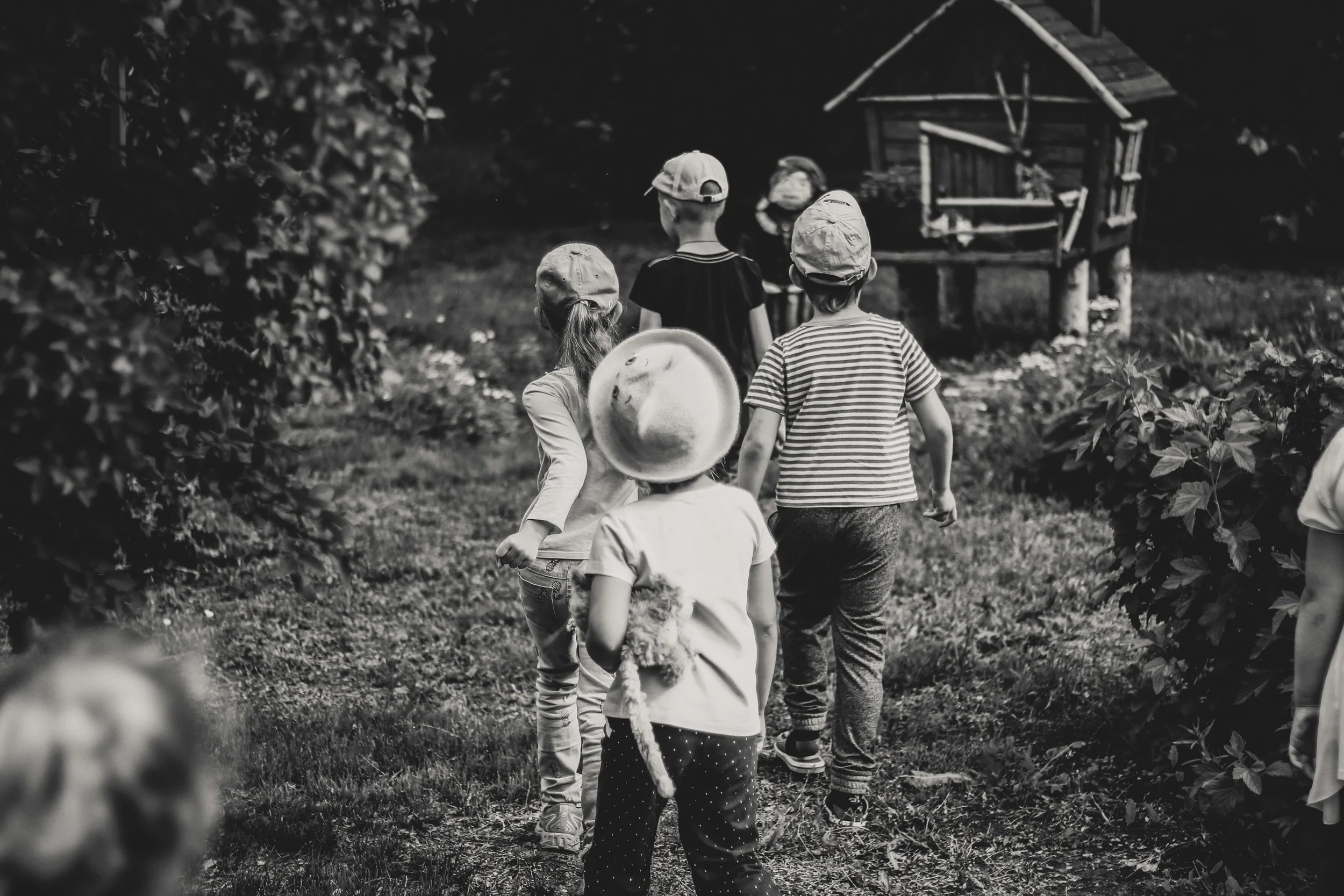
Photo by Fares Hamouche
Along with my experiences being a student and an intern with Unified Studies of Orem High and based on the ideas of Vasily Sukhomlinsky, an educator in Ukraine in the 1950s and 60s, our kindergarten will be a school of joy (in spirit, if not in name). His philosophy informs many aspects of our classroom. The following list isn’t ordered according to importance except for the first one. Many young childhood schools are embracing the long understood phenomenon that is the magical interaction that occurs between humans and all the other natural creatures with whom we share this blue planet. Neither Vasily Sukhomlinsky (nor Al Davis or Cheryl Lewis) were the first to recognize the educational and moral benefits of spending large amounts of intentional time outdoors. Yet, his overarching methods to teach children to strive for and become the best versions of themselves, is taught so beautifully in his many books and papers. Read more about him here.
What will we do?
Be in nature more than 50% of the time
Follow the interests of the children
Work, study, play, sing and do good.
Details
Tuesday’s and Thursday’s
9:30 am to 12 pm: Location will be flexible: Tuesday’s will be held at an outdoor location (weather permitting). When inside, we will most likely be at the iCreate campus in Provo, Utah (near Olive Garden, Denny’s, and the Quarry)
Tuition: $175 per month
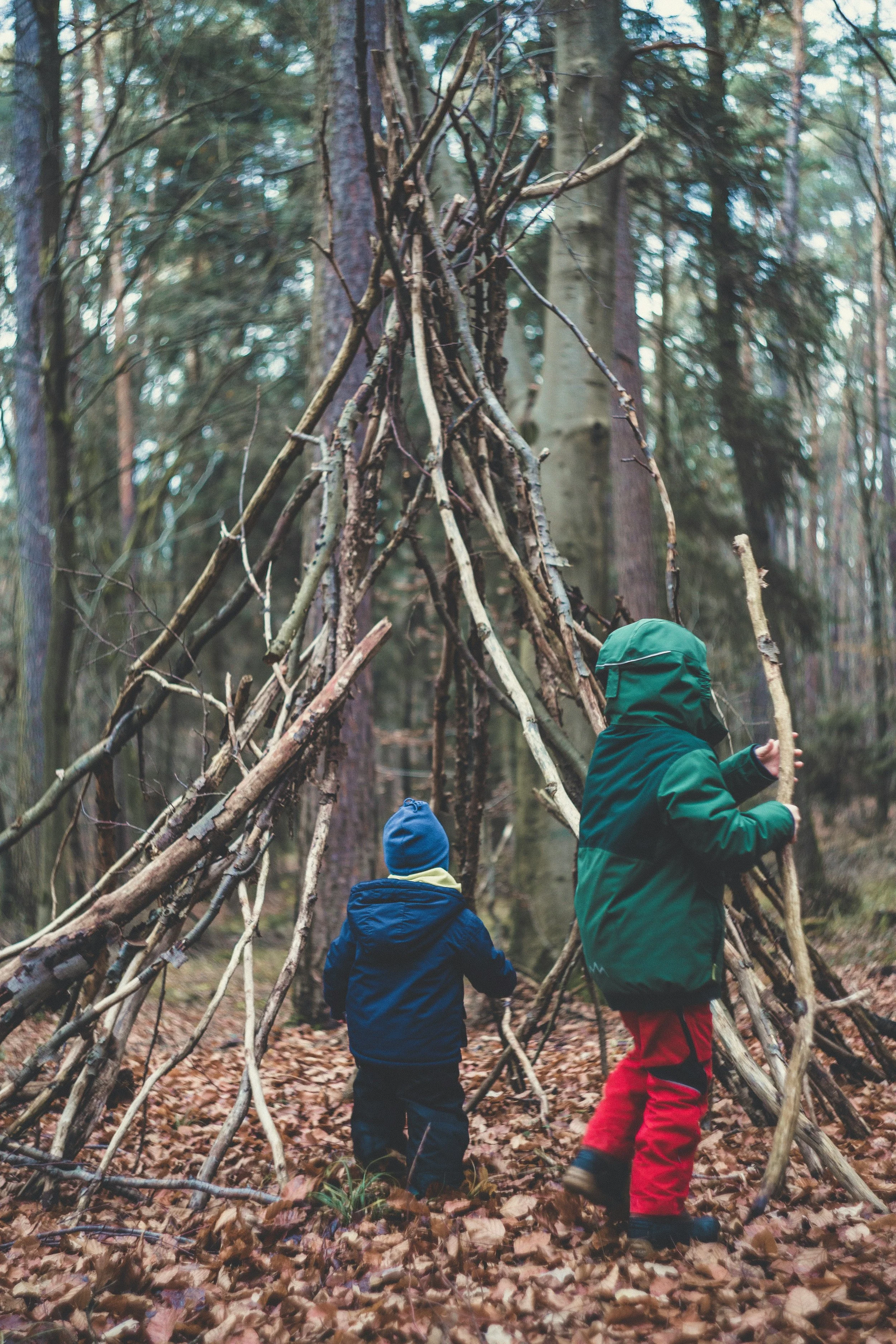
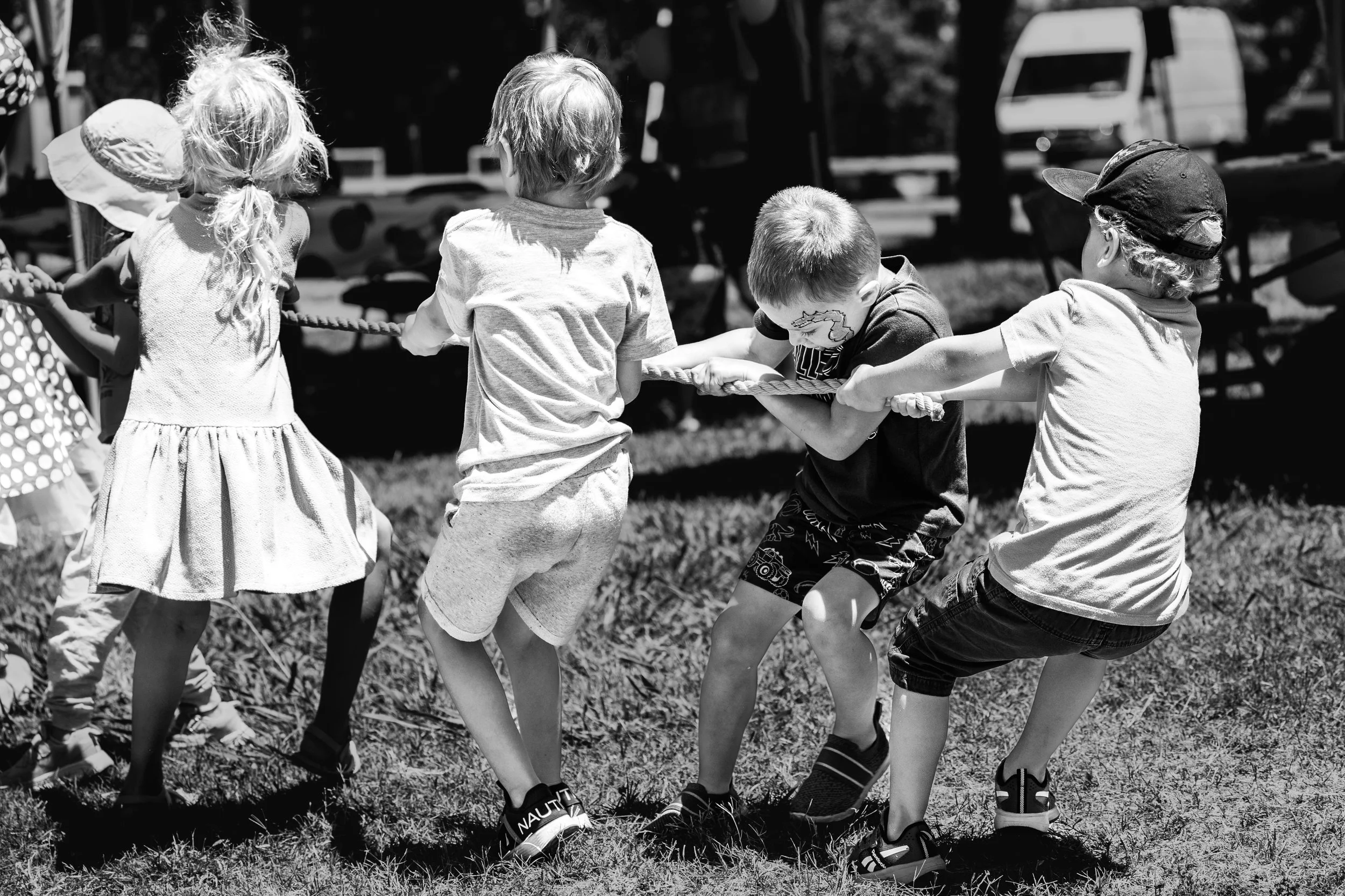
Photo by Kelly Sikkema
Photo by Markus Spiske